Viktor Lange · 22 September 2026
Polish Educators Leverage Library Workshops to Refine University Prep Discussion Techniques Amid Rising Parent Interest
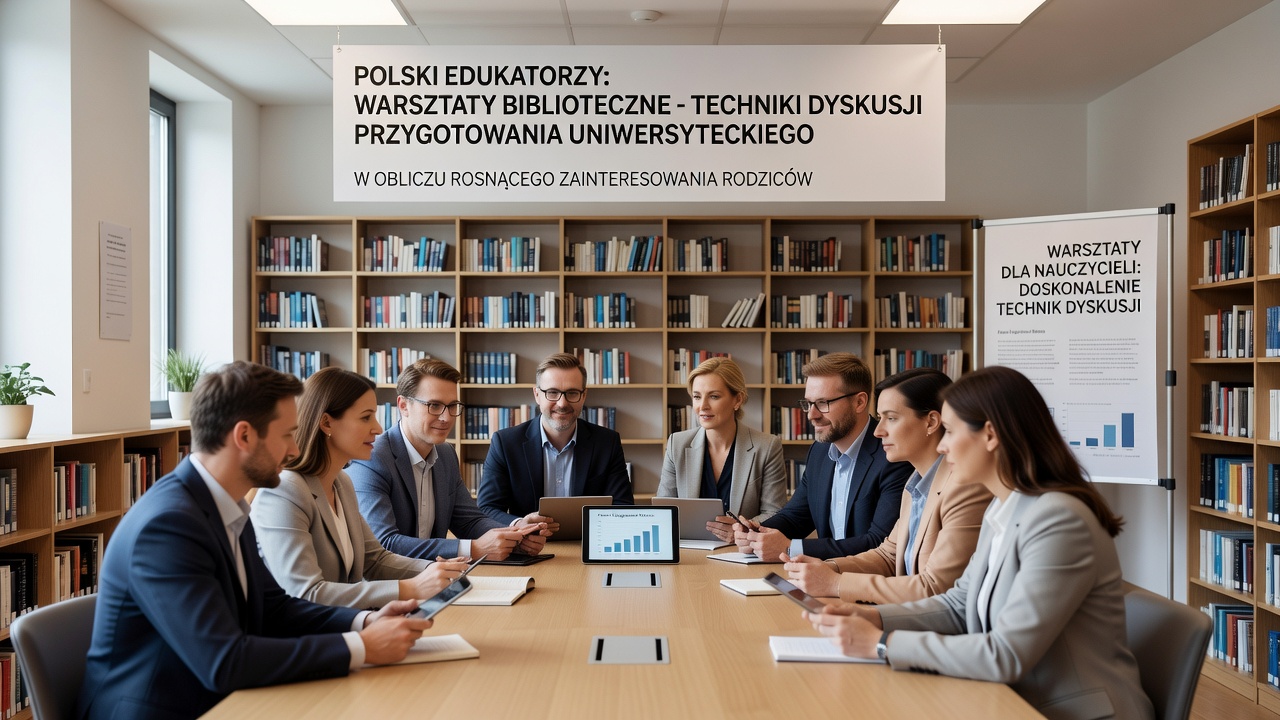
Polish educators have expanded library-based workshops that target discussion skills essential for university preparation, and these programs coincide with increased participation from parents seeking structured support for their children. Workshops operate in multiple regions where librarians and teachers collaborate to deliver sessions that emphasize critical thinking, debate formats, and evidence-based argumentation. Data from regional education offices shows participation rates rose steadily through 2025, with projections indicating further growth by September 2026 when new cohorts enter the programs.
Library facilities provide neutral spaces that accommodate both daytime student groups and evening sessions for working families, and coordinators report that flexible scheduling has contributed to higher attendance figures. Sessions typically last ninety minutes and incorporate role-playing exercises, source evaluation drills, and peer feedback rounds that mirror the seminar structures common in higher education settings. Educators adjust content according to grade level, ensuring secondary students practice articulating positions on complex topics such as environmental policy and technological ethics.
Workshop Structure and Content Delivery
Each workshop series follows a modular curriculum developed jointly by school districts and public library networks, while facilitators rotate responsibilities to maintain consistent quality across locations. Students begin with foundational modules on active listening and evidence citation before advancing to timed debates that require rapid synthesis of opposing viewpoints. Materials draw from publicly available academic papers and news archives, which participants analyze during group activities. Observers note that the approach reduces reliance on rote memorization and instead prioritizes the ability to defend arguments under time constraints.
Parent involvement has grown through optional companion sessions that explain the same techniques used with students, and these parallel tracks allow families to reinforce skills at home. Registration records indicate that more than sixty percent of participating households now include at least one parent attending the supplementary meetings. The format encourages parents to observe student demonstrations and then practice facilitation methods themselves, creating a feedback loop that extends learning beyond the library walls.
Regional Implementation Patterns
Implementation varies by voivodeship yet maintains core elements across sites, with urban libraries in Warsaw and Kraków adapting modules to include digital collaboration tools while rural branches emphasize printed resources and in-person exchanges. A 2025 survey conducted by the Polish Library Association documented that 142 libraries offered at least one university-prep discussion series during the academic year, and the number continues to climb. Funding derives from a combination of municipal budgets and grants administered through the Ministry of Education and Science, which allocates resources based on documented enrollment numbers.
September 2026 marks the start of an expanded national pilot that will introduce standardized assessment rubrics for measuring discussion proficiency before and after workshop completion. Pilot coordinators have already circulated draft rubrics to participating institutions, and feedback collection will inform final versions distributed before the new term begins. The timeline aligns with broader European Union initiatives that promote transversal skills across member states.
Evidence of Rising Parent Engagement
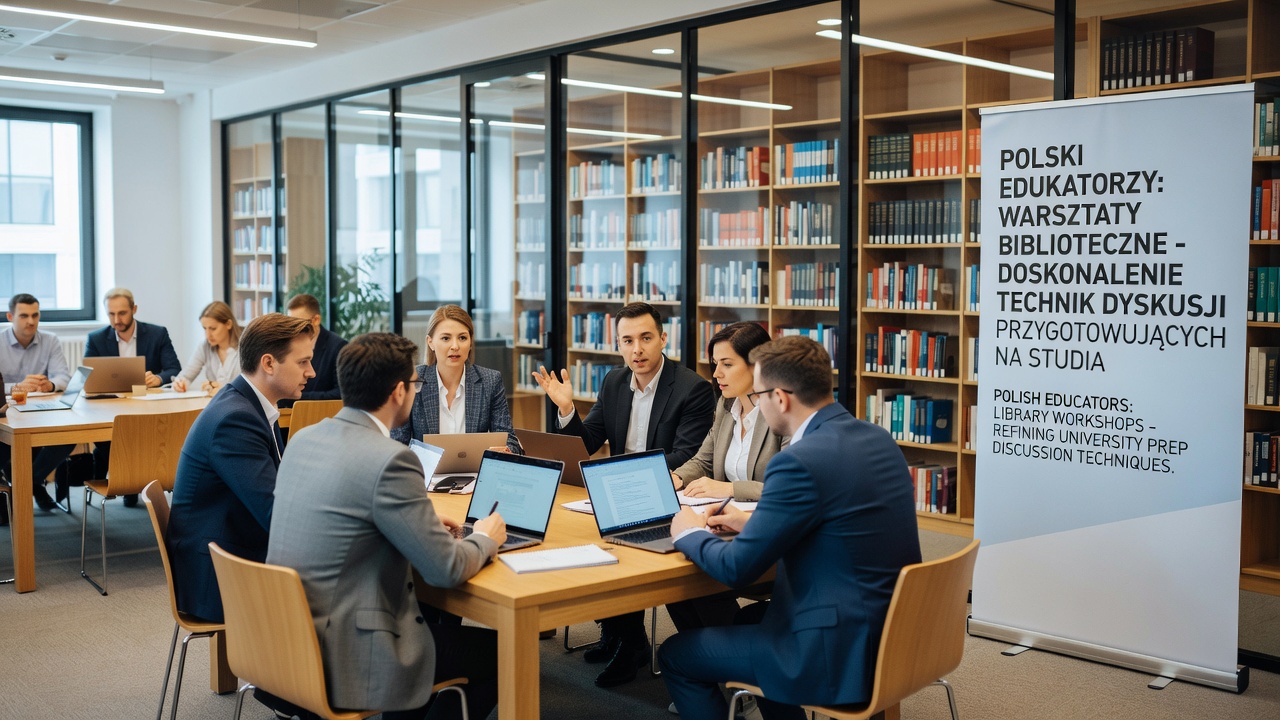
Parent interest manifests through multiple channels, including increased email inquiries to library staff and higher turnout at open-house events that preview upcoming workshop themes. According to figures released by the European Education and Culture Executive Agency, Poland recorded one of the higher year-over-year increases in family participation in extracurricular academic programs during 2025. Local education authorities attribute part of this trend to greater awareness of university admission requirements that now place heavier weight on demonstrated communication abilities.
Case examples illustrate the pattern: one secondary school in Poznań integrated workshop outcomes into its guidance counseling reports, and subsequent parent-teacher conferences showed elevated discussion of university application strategies. Another district in Lublin noted that parent-led study circles emerged spontaneously after families completed the library modules together. These developments occur alongside national efforts to align secondary curricula with Bologna Process expectations, which stress student autonomy and argumentative competence.
Measurement and Outcomes Tracking
Programs track progress through pre- and post-session self-assessments as well as recorded debate performances scored by trained observers. Aggregated results from the 2024-2025 cycle indicate measurable gains in students' ability to cite sources accurately and respond to counterarguments within allotted timeframes. Schools that combined library workshops with classroom follow-up activities reported stronger average gains than those relying solely on either component. Researchers at several Polish universities have begun analyzing anonymized datasets to identify which workshop elements correlate most strongly with improved performance on oral examinations.
Additional metrics capture attendance consistency and parent satisfaction through brief digital surveys administered at the end of each module. Response rates exceed seventy percent in most locations, and comments frequently reference the practical value of practicing discussion formats that appear in university entrance interviews. Coordinators compile these indicators into annual reports submitted to both local governments and the Ministry of Education and Science.
Conclusion
Library workshops continue to serve as accessible platforms where Polish educators refine university-preparation discussion techniques while responding to sustained parent interest. Expansion plans for September 2026 build on documented enrollment trends and evaluation data gathered over the preceding two academic years. The collaborative model involving schools, libraries, and families demonstrates how existing public infrastructure can address evolving academic demands without requiring entirely new facilities. Ongoing monitoring will determine whether similar approaches gain traction in additional subject areas or age groups.